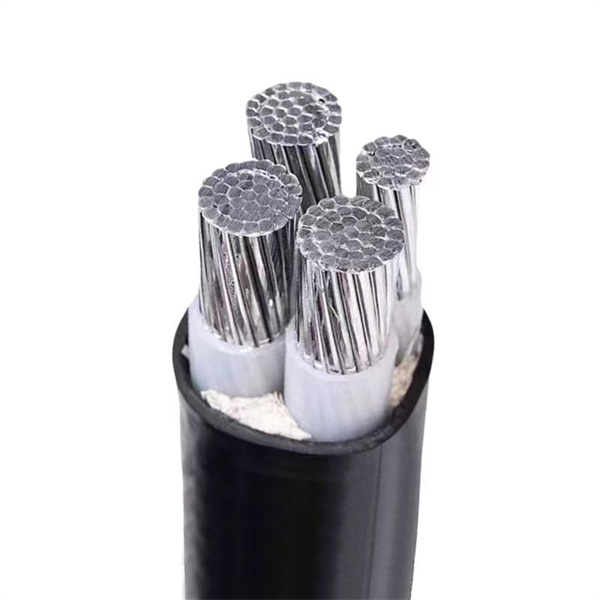
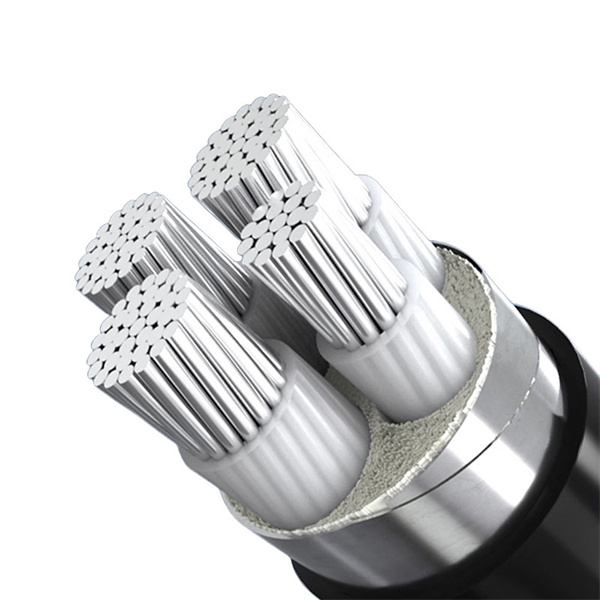
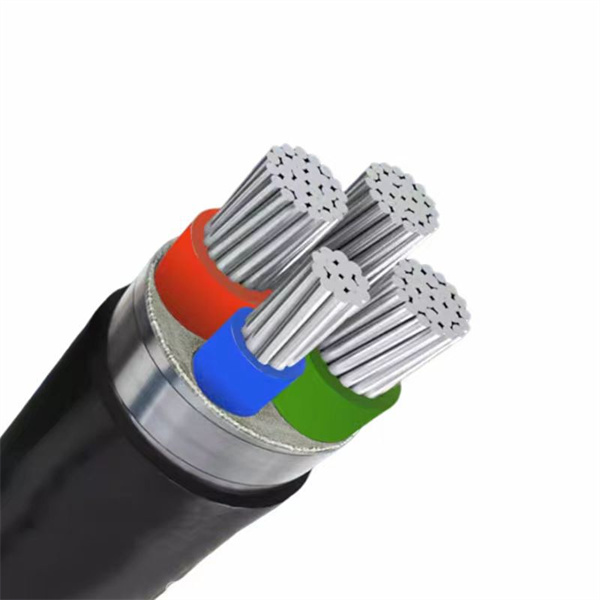
The conductors of aluminum alloy cables are made of high-quality aluminum alloy. This alloy is formed by adding multiple components such as rare earth, magnesium, copper, and iron to pure aluminum and undergoing a special alloy processing technology. This alloy material not only improves the electrical conductivity of the conductor, enabling its conductivity to approach the level of pure aluminum and reach about 80% of the conductivity of copper core cables, but also greatly enhances the mechanical properties of the conductor, such as tensile strength, creep resistance, and flexibility.
The production of aluminum alloy cables needs to strictly comply with relevant international and domestic standards, such as ASTM (American Society for Testing and Materials), IEC (International Electrotechnical Commission), BSEN (British Standard), DIN (German Standard), GB/T (Chinese National Standard), etc.
Application areas:
Civil buildings: Its light weight and easy installation can reduce construction difficulty and cost while meeting the power transmission needs inside the building.
Industrial field: Aluminum alloy cables can provide reliable power supply for various industrial equipment, and their good corrosion resistance and mechanical properties enable them to adapt to harsh industrial environments.
Transportation facilities: Aluminum alloy has better corrosion resistance than copper. Therefore, it is widely used in the power systems of transportation infrastructure such as railways, subways, airports, and bridges.
New energy field: In new energy projects such as solar power generation and wind power generation, aluminum alloy cables can be used for power transmission between photovoltaic panels, wind turbines and other equipment and substations.
Municipal Engineering: It can be used for power wiring of municipal facilities such as urban road lighting, underground pipe corridors, municipal squares, etc., to provide power guarantee for the normal operation of the city.
Armoring structure (optional):
Some aluminum alloy cables have an armoring structure. The common armoring method is aluminum alloy interlocked armor. This armoring structure can enhance the mechanical strength of the cable and improve the cable's resistance to external forces. Even when subjected to large pressures and impacts, the cable is not easily punctured.
The armor layer can also play a certain shielding role, reducing the interference of external electromagnetic signals on the internal signals of the cable and improving the signal transmission quality of the cable.
0.6/1kV Aluminum Alloy Conductor XLPE Insulated PVC Sheathed Power Cable |
| | | | | Current Carrying Capacity | | | |
| | | | | | | |
| | | | | | | | |
| | | | | | | |
| | | | | | | |
| | | | | | | |
| | | | | | | |
| | | | | | | |
| | | | | | | |
| | | | | | | |
| | | | | | | |
| | | | | | | |
| | | | | | | |
| | | | | | | |
| | | | | | | |
| | | | | | | |
| | | | | | | |
Performance Characteristics:
• Excellent conductivity: The current carrying capacity can meet the needs of most power transmission. In some cost-sensitive projects, aluminum alloy cables have a higher cost-effectiveness.
• Good mechanical properties: The elongation of aluminum alloy conductors is increased by about 30%, which enables them to withstand greater tension without breaking easily, facilitating the laying and installation of cables.
• Good flexibility: The bending radius is only 7 times the outer diameter of the cable, which is convenient for various narrow spaces or complex wiring environments.
• Low elasticity: It is not easy to rebound after being subjected to external force, maintaining good shape stability, which is conducive to the connection and fixation of cables.
• Excellent corrosion resistance: The addition of chemical elements such as rare earth improves the electrochemical corrosion resistance of aluminum alloys, solving the problem of electrochemical corrosion at the joints of pure aluminum after long-term use.
Usage Characteristics
Suitable for 600V-35KV voltage level, suitable for dry or humid places below 90℃, can be installed indoors or outdoors, can be installed vertically, can be installed on brackets or along walls, or can be directly buried underground;
The minimum bending radius is 7 times the outer diameter, and it can also be bent 360 degrees;
Suitable for environments without mechanical damage, such as civil, office buildings, schools, hotels, commercial, shopping centers, factories and large venues.