I. Description
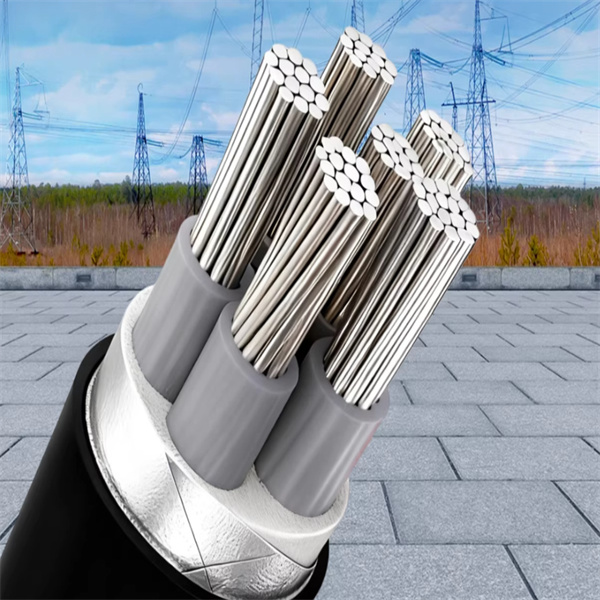
ACSR (Aluminum Conductor Steel Reinforced) combines 99.6% pure aluminum strands for optimal conductivity (61% IACS) with galvanized high-carbon steel cores (1,250-1,850 MPa tensile strength). Ideal for 35-1000kV power grids, it reduces tower spacing by 40% in coastal/mountainous areas while complying with GB/T 1179-2008 and IEC 61089 standards.
II. Product Overview
ACSR conductors integrate multi-layer aluminum strands helically wound over a galvanized steel core. This hybrid design leverages aluminum's conductivity for efficient power transmission and steel's mechanical strength to support spans exceeding 500 meters. Certified for -30°C to 120°C operations, it minimizes energy loss (<0.1209 Ω/km) and resists corrosion in coastal/industrial environments. Widely used in power grids, railways, and telecom infrastructure.
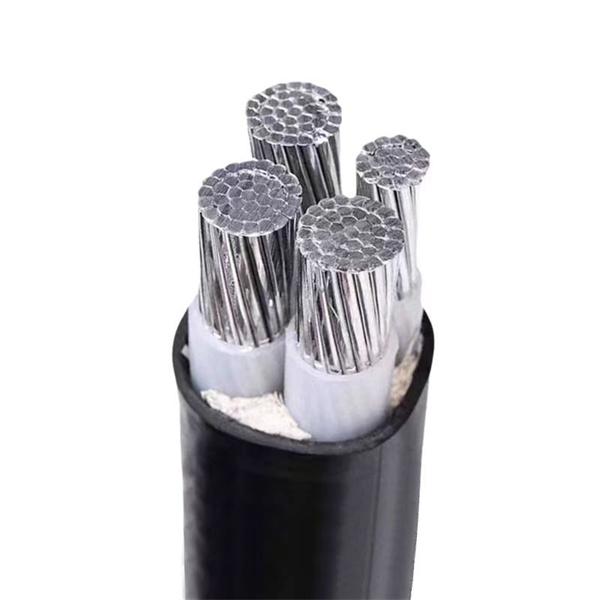
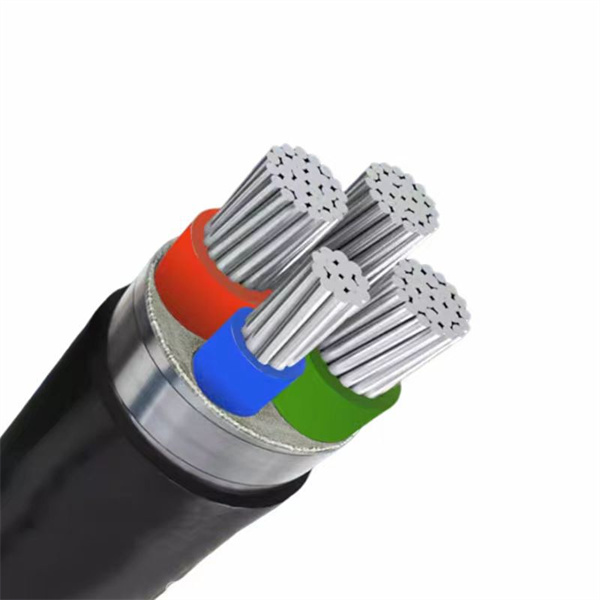
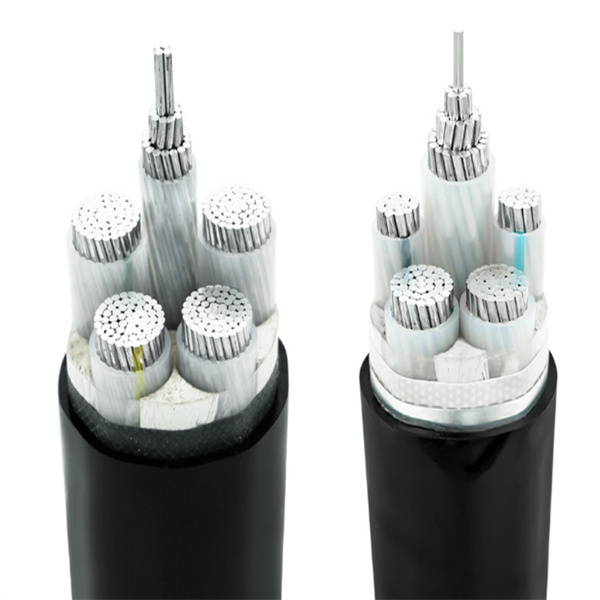
0.6/1kV Aluminum Alloy Conductor XLPE Insulated PVC Sheathed Power Cable |
| | | | | Current Carrying Capacity | | | |
| | | | | | | |
| | | | | | | | |
| | | | | | | |
| | | | | | | |
| | | | | | | |
| | | | | | | |
| | | | | | | |
| | | | | | | |
| | | | | | | |
| | | | | | | |
| | | | | | | |
| | | | | | | |
| | | | | | | |
| | | | | | | |
| | | | | | | |
III. Product Features
Core Selling PointsDual-Material Performance OptimizationAluminum Layer: 99.6% pure strands for 61% IACS conductivity, reducing energy loss by 35% vs. pure aluminum cables.
Steel Core: Galvanized high-carbon steel (G2A/G3A grades) with 1,850 MPa tensile strength, preventing sag in extreme loads.
Environmental ResilienceTriple-layer anti-corrosion coating withstands salt spray, humidity, and industrial pollutants (>500 hours salt-spray resistance).
Operational range: -30°C to 120°C, suitable for Arctic grids and desert solar farms.
Engineering EfficiencyReduces tower spacing by 40% due to high strength-to-weight ratio, lowering infrastructure costs.
Four-/six-bundle configurations for 500kV+ transmission lines, optimizing space and load distribution.
Sustainability & ComplianceAluminum is 100% recyclable; manufacturing consumes 30% less energy vs. copper cables.
Certifications: RoHS 3.0, GB/T 1179-2008, IEC 61089.
IV. Product Description
1. Structural Engineering for Extreme Loads
The galvanized steel core (G2A/G3A grades) provides 1,850 MPa tensile strength, resisting deformation under ice/wind loads. Outer aluminum strands (0.05-12mm diameter) are helically wound with ±0.02mm precision to ensure uniform stress distribution, eliminating strand displacement in high-wind zones.
2. Electrical Performance OptimizationSkin Effect Utilization: Current flows primarily through the aluminum layer, reducing impedance by 15% and energy loss by 4-6% vs. standard ACSR.
Low DC Resistance: Ranges from 0.7426 Ω/km (117.4mm²) to 5.415 Ω/km (15.78mm²), enhancing transmission efficiency.
3. Environmental Resilience & ApplicationCorrosion Defense: Zinc plating (ASTM B633) and aluminum oxide layer protect against marine/industrial corrosion, extending lifespan to 30+ years.
Critical Use Cases:Power Distribution: Deployed in 500kV+ overhead lines across mountainous regions (e.g., Three Gorges Grid).
Railways & Telecom: Ensures uninterrupted conductivity in high-vibration environments (e.g., high-speed rail catenaries).